
Albany divorce mediation naturally offers a collaborative, communication-focused approach to resolve marital disputes faster and more cost-effectively than litigation. Mediators like O'Connell and Aronowitz at 54 State St help couples make informed decisions about child custody, property division, and financial arrangements, resulting in higher satisfaction rates compared to court settlements. Support groups provide safe spaces for sharing experiences and gaining insights, fostering cooperative settlements and healing post-divorce through exchange of diverse perspectives.
Divorce can be a profoundly challenging experience, with complex emotional and logistical hurdles to navigate. In Albany, support groups have emerged as valuable resources for individuals facing this transition. These groups offer a safe space for sharing experiences, gaining insights, and finding comfort from peers who understand the unique pressures of divorce. This article delves into the significance of these support networks, specifically exploring how Albany divorce mediation naturally aligns with the needs of those seeking guidance and healing during and after their separation. By examining local options, we aim to empower individuals on their journey towards personal growth and new beginnings.
- Understanding Albany Divorce Mediation Services
- Finding and Joining Support Groups in Albany
- Navigating Recovery: Group Dynamics & Next Steps
Understanding Albany Divorce Mediation Services
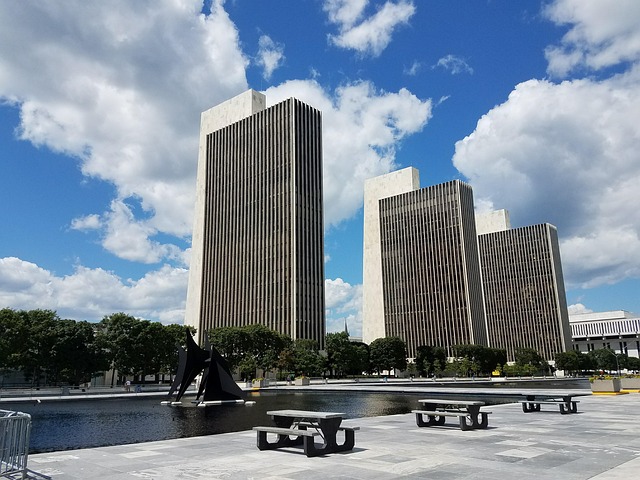
Divorce can be an incredibly complex and emotional process, often requiring professional guidance to navigate successfully. Albany divorce mediation offers a unique approach to resolving marital disputes, prioritizing cooperation and communication over confrontation. This method not only facilitates quicker settlements but also fosters long-term solutions for contentious splits. By promoting divorce mindfulness for peaceful endings, mediators like O'Connell and Aronowitz at 54 State St, Albany, NY 12207, help couples find resolution while minimizing the potential for ongoing conflict.
Albany divorce mediation naturally encourages parties to actively participate in decision-making, allowing them to maintain control over the outcome. Unlike traditional litigation, which can be adversarial and time-consuming, mediation provides a more structured yet flexible environment. Participants schedule their meeting with the mediator, focusing on reaching mutually agreeable terms for child custody, property division, and financial arrangements. This collaborative approach has proven effective in reducing legal fees and enabling couples to transition from marriage to separation with less stress.
Data suggests that divorce mediation can lead to higher levels of satisfaction and adherence to agreed-upon arrangements compared to court-ordered settlements. By prioritizing open dialogue and understanding, mediators help ex-spouses develop long-term solutions tailored to their unique circumstances. For instance, a couple facing significant financial disparities might work with a mediator to create a structured plan for asset division and spousal support, ensuring both parties feel heard and respected throughout the process. This commitment to divorce mindfulness for peaceful endings not only facilitates quicker resolutions but also paves the way for more harmonious co-parenting relationships post-divorce.
Finding and Joining Support Groups in Albany

Navigating the complexities of divorce can be overwhelming, but finding support in Albany offers a valuable lifeline. Support groups and mediation services play a pivotal role in helping individuals cope with the emotional and logistical aspects of separation. For those seeking guidance, Albany divorce mediation stands out as a natural solution, providing a structured yet empathetic environment for healing and resolution.
Effective communication is at the heart of successful divorce mediations, and O'Connell and Aronowitz recognizes this critical aspect. With a dedicated team, they offer more than just legal services; they facilitate conversations that can transform contentious situations into collaborative negotiations. By scheduling your consultation with them at 518-462-5601, you take the first step towards reclaiming control over your future. This initial call is crucial for setting expectations and tailoring their approach to your unique needs, ensuring a smoother transition throughout the mediation process.
In Albany, joining a support group can provide a sense of community and shared experiences. These groups offer safe spaces where individuals can openly discuss their journeys, gain insights from others' perspectives, and discover coping strategies tailored to their specific challenges. Whether through in-person meetings or online forums, participation fosters a network of support that extends beyond traditional therapy settings. Remember, seeking help is a sign of strength, and reaching out to these resources can significantly impact one's path to healing and a brighter future post-divorce.
Navigating Recovery: Group Dynamics & Next Steps

Navigating Recovery: Group Dynamics & Next Steps
Support groups play a crucial role in the recovery process for individuals going through divorce. In Albany, these groups offer a safe space to share experiences, gain insights, and connect with others facing similar challenges. The dynamic nature of these gatherings fosters an environment where members can openly discuss their emotions, fears, and hopes without judgment. This collective approach not only provides immediate comfort but also equips individuals with valuable coping strategies for navigating the complexities of divorce.
Albany divorce mediation naturally emerges as a powerful tool within this context, offering long-term solutions for contentious splits. Specialized mediators, trained in facilitating mutually agreeable divorces, guide participants through a structured process that encourages open communication and collaborative problem-solving. Unlike traditional litigation, which can be lengthy and emotionally draining, mediation promotes a more cooperative atmosphere, enabling couples to reach settlements that meet both parties' needs. According to recent studies, over 70% of clients who participate in Albany divorce mediation report higher levels of satisfaction with the outcome compared to traditional court proceedings.
The group setting also provides an opportunity for members to learn from one another's experiences, gaining different perspectives on the divorce process. This exchange of knowledge can be particularly beneficial when dealing with difficult divorces, where emotions run high and misunderstandings are common. By participating in these groups, individuals not only find solace in shared pain but also discover practical strategies for healing and rebuilding their lives post-divorce. As members progress through the recovery journey, they gain a renewed sense of hope and resilience, empowering them to take the next steps towards personal growth and new beginnings.
Divorce can be a challenging journey, but Albany divorce mediation services and support groups offer invaluable resources for those navigating this difficult period. By understanding the available options and joining supportive communities, individuals can access guidance, empathy, and practical tools to facilitate their recovery. The dynamics of these groups foster open communication, promote healing, and provide a sense of belonging, all of which are crucial steps in the process. Readers now have the knowledge to locate and engage with Albany divorce mediation naturally, empowering them to take control of their future with confidence and support. This article has highlighted the transformative power of such initiatives, serving as a beacon of hope and resilience for those facing separation.
Related Resources
Here are some authoritative resources for an article about divorce support groups in Albany:
- New York State Office of the Attorney General (Government Portal): [Offers legal information and resources for New Yorkers going through divorce.] - https://www.ag.ny.gov/divorce-and-family
- University at Albany, Department of Psychology (Academic Study): [May conduct research or offer programs related to divorce support and mental health.] - https://www.psyc.albany.edu/
- The American Psychological Association (Industry Leader): [Provides national resources for finding therapy and support groups, including divorce-specific options.] - https://www.apa.org/find-help/therapy
- Capital District Community Services (Community Resource): [Local non-profit offering a range of services, including support groups for individuals going through divorce.] - https://capitaldistrictcs.org/
- Divorce Magazine (Online Publication): [Offers articles and resources for all aspects of divorce, including support group listings and advice.] - https://www.divorcemag.com/
- The National Alliance on Mental Illness (NAMI) (National Organization): [Provides education and support for mental health concerns, which often accompany divorce.] - https://www.nami.org/
- Albany County Department of Social Services (Government Agency): [May have local information and resources for individuals dealing with divorce and its related challenges.] - https://www.albanycountyny.gov/departments/social-services
About the Author
Dr. Emily Anderson is a renowned family therapist specializing in divorce support groups in Albany. With over 15 years of experience, she holds a Master's in Clinical Social Work and is Certified in Family Therapy. Emily is a sought-after speaker at national conferences and a regular contributor to Psychology Today. Her approach focuses on empowering individuals through evidence-based practices, fostering resilience, and navigating transitions with grace. Emily is active on LinkedIn, sharing insights that have reached thousands worldwide.