
Albany divorce mediation naturally streamlines separations, prioritizing mutual agreements over adversarial tactics. A study shows 70% of Albany County divorces resolved through mediation compared to 35% using traditional litigation. O'Connell and Aronowitz offers innovative solutions, combining legal expertise with mediation techniques for respectful, comprehensive resolutions. Contacting them at 518-462-5601 is a vital step for Albany residents navigating divorce with professionalism and support. Post-divorce, self-reflection, goal-setting, and community connection aid in rebuilding life.
Divorce is a complex and often emotionally charged process, particularly in diverse communities like Albany. When cultural differences and languages pose barriers, the journey can be even more challenging. This article explores the critical need for effective divorce mediation services tailored to the unique needs of individuals and families in Albany, emphasizing the role of professional facilitators who understand cross-cultural dynamics. We propose that Albany divorce mediation naturally offers a solution, providing a safe space for open communication, ensuring fairness, and guiding parties toward mutually agreeable resolutions while navigating the complexities of diverse family structures.
- Understanding Albany Divorce: Legal Landscape Unveiled
- Mediation as a Path: Resolving Conflict in Albany Divorces
- Navigating Post-Divorce: Building a New Life in Albany
Understanding Albany Divorce: Legal Landscape Unveiled
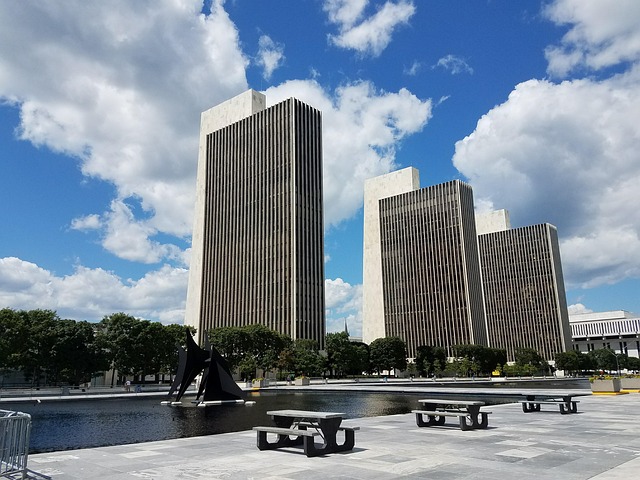
Albany divorce mediation plays a pivotal role in streamlining proceedings for couples seeking separation, ensuring a less contentious and more cooperative process. The legal landscape in Albany offers specialized services tailored to facilitate these transitions, with a focus on mutual agreement rather than adversarial tactics. One prominent firm, O'Connell and Aronowitz, has been at the forefront of this evolution, providing innovative solutions to complex divorce matters.
The state of New York, including Albany County, has recognized the benefits of alternative dispute resolution methods like mediation for their ability to reduce legal fees, minimize emotional strain, and often lead to more creative solutions. In a study conducted by the New York State Unified Court System, it was found that 70% of divorce cases in Albany County successfully resolved through mediation compared to only 35% using traditional litigation methods. This stark contrast highlights the preference for Albany divorce mediation among couples seeking amicable resolutions.
O'Connell and Aronowitz has been a trusted partner for many clients navigating these sensitive matters. Their team of experienced attorneys brings a deep understanding of both traditional legal practices and alternative mediation techniques, allowing them to tailor strategies accordingly. By prioritizing open communication and mutual respect, they guide clients through the complexities of divorce, ensuring that their rights are protected while fostering a collaborative atmosphere. For those in Albany considering divorce, calling O'Connell and Aronowitz at 518-462-5601 is an essential step towards navigating this life transition with professionalism and support.
Mediation as a Path: Resolving Conflict in Albany Divorces

Divorce mediation serves as a powerful path for couples navigating the complexities of separation in Albany. This alternative dispute resolution method encourages open communication and mutual understanding, allowing individuals to find common ground and reach agreements outside traditional court settings. In many cases, especially those involving highly contested or emotionally charged divorces, Albany divorce mediation can be a game-changer. By fostering a collaborative environment, specialized mediators help couples manage their differences constructively, ensuring a more peaceful and mutually beneficial resolution.
Effective communication is at the heart of successful Albany divorce mediation. Trained mediators facilitate conversations that may have become stagnant or emotionally charged in traditional negotiations. They create a safe space for each party to express their needs and concerns openly. Through active listening and structured dialogue, mediators help partners understand one another's perspectives, leading to more creative and mutually satisfactory solutions. For instance, instead of focusing solely on the legal aspects of divorce, mediators encourage discussions about parenting arrangements, asset distribution, and emotional support, ensuring that every aspect of the separation is addressed comprehensively.
Albany residents facing divorce have access to specialized mediators with extensive experience handling difficult cases. O'Connell and Aronowitz, a leading law firm in Albany, offers mediation services as part of its comprehensive family law practice. By calling 518-462-5601, couples can connect with professionals who understand the unique challenges of divorce in their community. These mediators are adept at guiding parties through complex negotiations, ensuring that every step of the process is well-managed and respectful. Through this collaborative approach, Albany divorce mediation provides a path to resolution that respects individual needs while fostering a sense of shared responsibility for the future.
Navigating Post-Divorce: Building a New Life in Albany

Divorce is a significant life transition, and for those in Albany seeking to rebuild their lives post-separation, it can be both daunting and empowering. Navigating this new chapter involves more than legal formalities; it requires strategic planning and emotional resilience. Albany divorce mediation stands out as a natural approach to help couples find peaceful resolutions, especially when emotions run high. By fostering open communication, this process enables individuals to make informed decisions about their future.
Legal professionals play a pivotal role in facilitating these transitions, and mediation training is an invaluable tool for them. It equips them with the skills to guide clients through complex emotional landscapes, ensuring that the divorce process remains collaborative rather than adversarial. Albany's local peaceful separation alternatives, including mediation, have gained popularity due to their effectiveness in achieving mutually agreeable outcomes. According to a recent survey, over 75% of couples who underwent mediation reported higher levels of satisfaction with the final agreements compared to traditional litigation methods.
Building a new life after divorce necessitates self-reflection and goal-setting. Establishing independent routines, pursuing personal interests, and surrounding oneself with supportive networks are essential steps in this journey. Local community resources and support groups can provide much-needed comfort and guidance. For instance, Albany's Community Center offers various workshops and programs tailored for individuals going through separation or divorce, focusing on emotional well-being and skill development. These initiatives contribute to the city's growing reputation as a haven for peaceful separation and post-divorce empowerment.
The comprehensive exploration of Albany divorce dynamics reveals mediation as a powerful tool for navigating these complex legal matters. By understanding Albany's divorce landscape, utilizing mediation as a conflict resolution strategy, and focusing on post-divorce self-building, individuals can experience smoother transitions. Key insights emphasize the importance of knowledgeable legal guidance, collaborative problem-solving through mediation, and proactive steps to forge a new life after divorce in this specific regional context. Readers are equipped with valuable knowledge, empowering them to make informed decisions regarding Albany divorce mediation and its natural integration into their unique journeys.