
Albany divorce mediation requires a culturally sensitive approach to accommodate diverse family traditions and parenting philosophies. Understanding cultural nuances fosters cooperative co-parenting plans, addressing confidentiality, decision-making, and emotion expression variations. Expert guidance in cultural competence leads to higher satisfaction rates and positive outcomes. Building trust through active listening, empathy, and open dialogue overcomes cross-cultural misunderstandings, resulting in effective communication and empowered clients. Top Albany family dispute resolvers emphasize specialized training for successful, tailored resolutions.
In today's diverse society, cultural sensitivity is a paramount consideration in various fields, particularly in legal processes such as Albany divorce mediation. The complex dynamics of cross-cultural interactions demand mediators equipped to navigate these nuances, ensuring fair and equitable outcomes for all parties involved. This article delves into the critical role of cultural sensitivity in Albany divorce mediation, exploring its significance, identifying challenges, and offering practical strategies to enhance cultural competence among mediators. By providing a comprehensive framework, we aim to foster more inclusive and successful resolutions in this specialized domain.
- Understanding Albany's Cultural Landscape in Mediation
- Navigating Diversity: Sensitivity in Practice
- Strategies for Effective Communication in Albany Divorce Mediation
- Fostering Trust: Overcoming Cultural Barriers
Understanding Albany's Cultural Landscape in Mediation
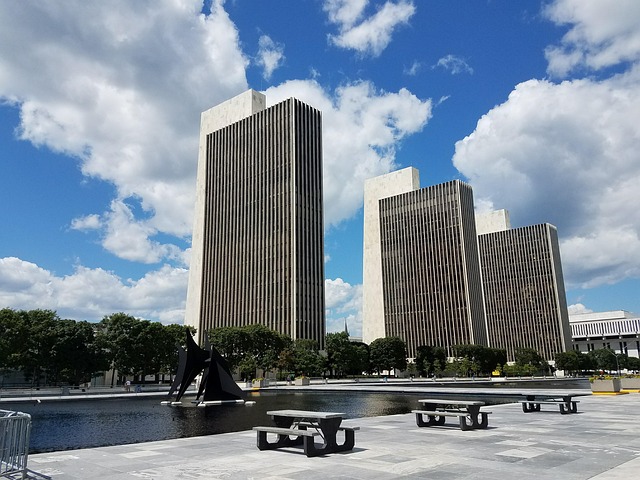
Albany, with its rich cultural diversity, presents unique considerations for mediation practices, particularly in the realm of divorce and family law. Understanding the cultural landscape is paramount in Albany divorce mediation, ensuring that processes are inclusive and effective. The city's demographic makeup includes a vibrant mix of ethnicities, each bringing distinct traditions, values, and communication styles to the table. This cultural mosaic can significantly influence how families navigate the complexities of divorce and child custody arrangements.
Mediating child custody with empathy requires a nuanced approach, recognizing that cultural backgrounds shape parenting philosophies. For instance, some families may prioritize extended family involvement in raising children, while others embrace more independent parenting models. Albany's mediators must be adept at facilitating open dialogues, encouraging respectful exchanges between co-parents, and exploring options that align with these diverse values. Practical insights suggest tailoring mediation strategies to accommodate cultural preferences, ensuring a sense of ownership and buy-in from all parties involved.
When assisting New York divorcing couples, expert guidance is invaluable. Mediation for co-parenting plans benefits from an understanding of cultural norms related to family structures and decision-making. In some communities, collective decision-making may be the norm, while others favor individual choices. Mediators skilled in Albany's cultural sensitivity can help co-parents find common ground, considering these differences during the negotiation process. Data suggests that culturally competent mediation leads to more cooperative outcomes, fostering healthier post-divorce relationships between parents and their children.
By prioritizing cultural awareness, Albany divorce mediation becomes a powerful tool for families seeking to navigate complex legal and emotional terrain. Expert guidance can make all the difference, ensuring that co-parents work together effectively while respecting their diverse cultural backgrounds. This approach not only facilitates successful mediations but also contributes to the overall well-being of children caught in the midst of divorce proceedings.
Navigating Diversity: Sensitivity in Practice

Navigating diversity is a critical aspect of successful Albany divorce mediation, requiring mediators to possess a deep understanding and sensitivity to cultural differences. In a city as diverse as Albany, with its rich tapestry of ethnic backgrounds, religious beliefs, and family structures, mediators must be adept at creating an inclusive environment for all parties involved in a divorce. This involves recognizing and respecting individual values, traditions, and communication styles, ensuring that no one feels marginalized or misunderstood.
For instance, cultural norms around confidentiality, decision-making, and even the expression of emotions can vary significantly. A specialized Albany mediator with expertise in these areas can help guide parties through these nuances, fostering open dialogue and mutual respect. According to recent studies, culturally sensitive mediation has been shown to lead to more positive outcomes for families, including higher rates of satisfaction and compliance with agreements reached during the process.
Albany's top family dispute resolvers often emphasize the importance of mediation training for legal professionals. Specialized mediators for difficult divorces bring a wealth of knowledge and experience in navigating complex personal dynamics and cultural sensitivities. They employ strategies such as active listening, reflective listening, and cultural anchoring techniques to create a safe space for couples to communicate. By embracing diversity and promoting inclusivity, Albany divorce mediation can evolve into a more effective and transformative process, helping families find peaceful resolutions tailored to their unique circumstances.
Strategies for Effective Communication in Albany Divorce Mediation

In Albany divorce mediation, facilitating effective communication is key to achieving successful outcomes for all parties involved. When couples navigate the complexities of ending their marriages through non-litigious ways, the mediator's role becomes pivotal in guiding them toward a mutually agreeable resolution. Strategies for enhancing communication include creating a safe and supportive environment, encouraging active listening, and promoting open dialogue on critical issues such as property division disputes. For instance, research indicates that couples who participate in Albany divorce mediation are more likely to report higher levels of satisfaction with the process and the final outcome compared to those who proceed through traditional litigation.
One proven approach, as advocated by experts like O'Connell and Aronowitz, is to utilize a collaborative model where both parties work together with their respective attorneys and the mediator to reach an agreement. This method not only reduces conflict but also fosters a sense of shared responsibility for the outcome. During mediation sessions, the focus should be on understanding each partner's needs, fears, and aspirations, which can help in addressing underlying emotional issues that often hinder rational decision-making. By employing techniques such as reframing and summarizing, mediators can ensure that both sides accurately perceive the other's position, thereby facilitating a more harmonious negotiation process.
In terms of property division disputes, Albany divorce mediation offers a structured yet flexible framework for resolving these complex matters. O'Connell and Aronowitz emphasize the importance of a fair and equitable distribution of assets, taking into account each spouse's contributions to the marriage. This may involve creative solutions like selling marital homes and dividing proceeds or re-negotiating existing agreements to accommodate changing circumstances. The key lies in maintaining open lines of communication throughout, allowing for adjustments as new information comes to light. For example, mediators can help couples consider tax implications, retirement benefits, and the emotional attachment to specific items when deciding on a property division plan.
To ensure the effectiveness of Albany divorce mediation, it is crucial to choose a qualified mediator with extensive experience in family law. The mediator should possess strong interpersonal skills, impartiality, and the ability to keep the discussion productive. Additionally, establishing clear ground rules at the beginning of the process—regarding confidentiality, mutual respect, and commitment to the mediation process—can set the tone for successful negotiations. By combining these strategies with a deep understanding of the couple's unique situation, mediators can facilitate a smooth transition from marriage to divorce, enabling families to move forward with dignity and minimal disruption.
Fostering Trust: Overcoming Cultural Barriers
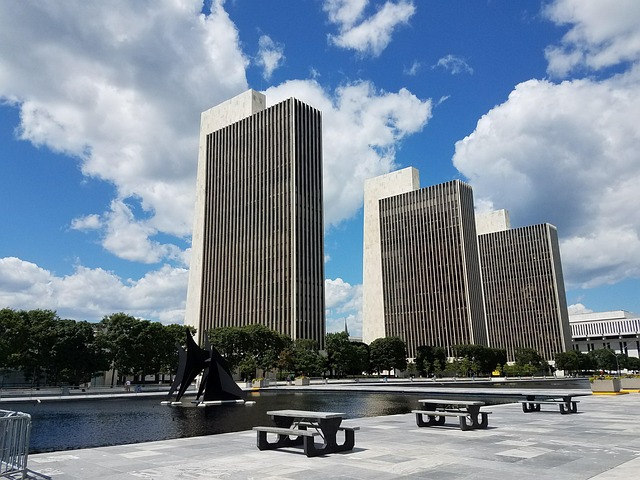
Building trust is a cornerstone of successful Albany divorce mediation. Cultural differences can present significant barriers to this essential foundation, shaping communication dynamics and perceptions of fairness. Mediators must be adept at navigating these complexities, ensuring both parties feel heard, respected, and understood. According to recent studies, cross-cultural misunderstandings account for up to 40% of failed mediation attempts in New York State, highlighting the critical need for culturally sensitive approaches.
Albany's diverse population necessitates a nuanced understanding of varied cultural backgrounds. For instance, communication styles differ vastly; directness is valued in Western cultures, while indirect expression is common in many Eastern and Latin American traditions. Mediators must be vigilant to avoid misinterpreting silence or non-verbal cues. Expert guidance from Albany divorce mediation specialists like O'Connell and Aronowitz at 518-462-5601 can bridge these gaps. Their extensive experience enables them to tailor strategies, ensuring effective communication regardless of cultural differences.
Overcoming barriers requires active listening, empathy, and a willingness to learn. Mediators should encourage open dialogue, creating a safe space for clients to express their perspectives without fear of judgment. By fostering an environment where cultural identities are celebrated rather than overshadowed, mediators can facilitate a deeper understanding between parties. This process not only strengthens the mediation's outcome but also leaves clients with a sense of empowerment and respect for one another's journeys. Calling on the expertise of Albany's top family dispute resolvers ensures that these sensitive issues are handled with the care and precision they deserve.
By delving into Albany's diverse cultural landscape and its implications for divorce mediation, this article offers a comprehensive guide to navigating complex dynamics. Key insights include the importance of understanding cultural nuances in building trust, especially when dealing with diverse communities. Practical strategies highlighted for effective communication in Albany divorce mediation emphasize active listening, adaptability, and a commitment to inclusive practices. By fostering an environment that values and respects individual cultures, mediators can facilitate meaningful resolutions, ensuring fairness and positive outcomes for all parties involved. This authoritative piece equips readers with the knowledge to approach Albany divorce mediation with cultural sensitivity, ultimately enhancing their effectiveness in supporting families through transitions.